About this service
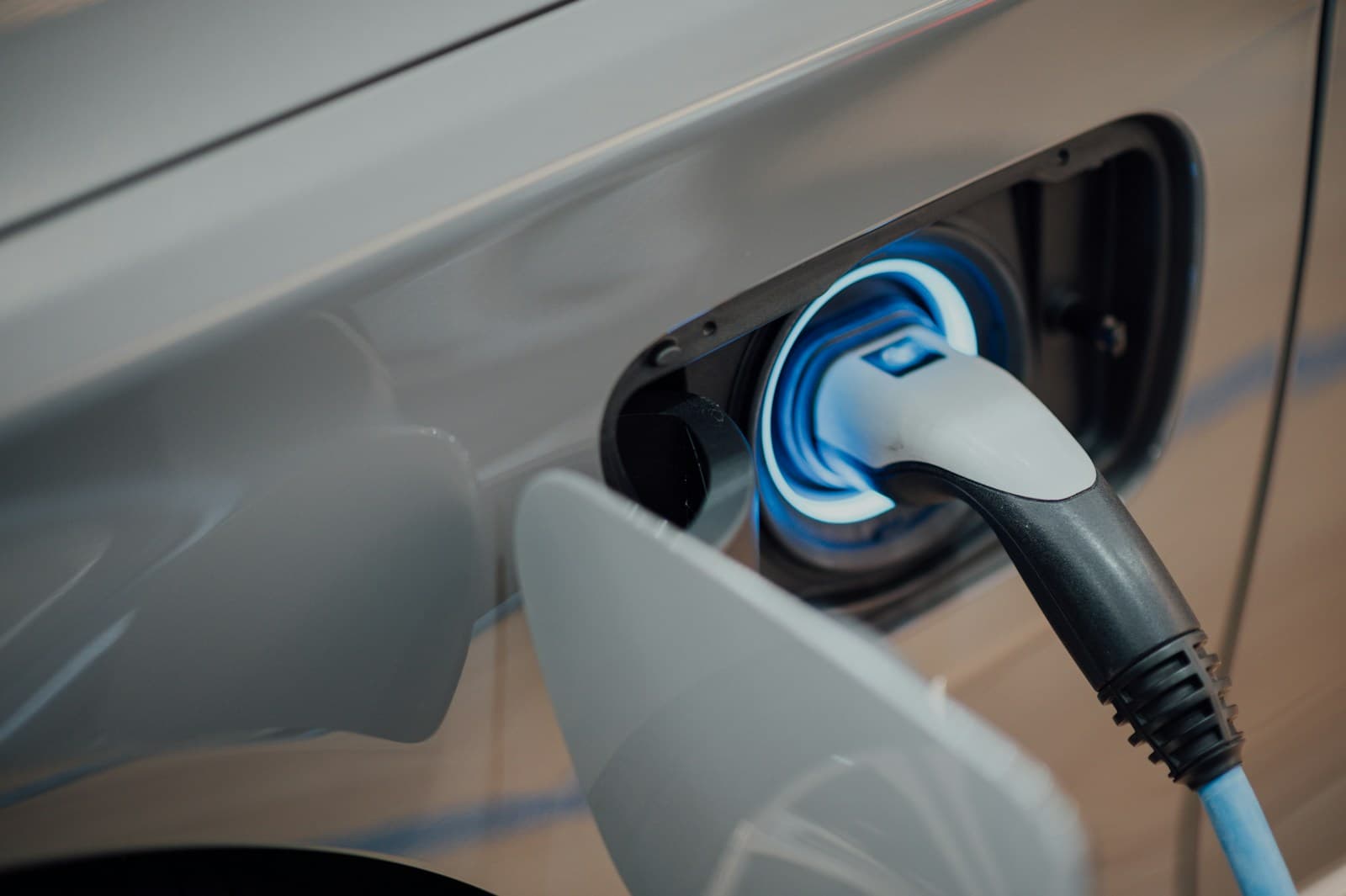
A home EV charger provides a dedicated connection for sustained vehicle charging. The installation begins with the property supply, maximum demand, earthing arrangement, parking position, cable route and the charger’s protective and smart features.
A wallbox is normally safer and more convenient than routine charging through a domestic socket. The charger must be installed with suitable circuit protection and configured so charging does not overload the available supply.
Common problems we help with
Parking is far from the consumer unit
Long routes, external walls, driveways and outbuildings affect cable choice and installation cost.
Supply capacity is limited
Electric heating, showers, solar, batteries and other large loads may require load management.
No suitable mounting position
Cable reach, vehicle inlet location, pedestrian routes and impact risk need consideration.
Wi-Fi is weak at the charger
Smart tariffs and app control can fail if connectivity was not considered.
How we carry out the work
Survey supply and parking
We record service equipment, consumer unit, earthing, loads, cable route and charger position.
Select charger and circuit design
Power, tethered or untethered cable, load management and smart features are agreed.
Install, test and configure
The circuit and charger are fitted, protective functions verified and the app or schedule set up.
What is normally included?
- Initial discussion about the property, symptoms, priorities and timescale
- Assessment of the relevant circuit, equipment, access and existing protection
- A written scope for the proposed ev charger installation work
- The agreed installation or repair work, with disruption kept to a reasonable minimum
- Inspection, electrical testing and appropriate handover documentation
Before the work starts
- Available supply capacity and existing maximum demand
- Parking position, cable route and impact protection
- Earthing arrangement and the charger’s protective features
- Tariff integration, solar compatibility, access control and load management
What affects the price?
The price depends on the existing installation and the amount of work required. For ev charger installation, the main factors normally include:
- Distance from the distribution point to the charger
- Groundworks, drilling and cable containment
- Required distribution or earthing upgrades
- Smart features and multi-charger load management
Testing, certificates and handover
Once the installation work is complete, we inspect and test it and provide the records that apply to the job.
- Charger setup and app pairing where applicable
- Circuit test results and installation certification
- Protective-device and isolation information
- Practical charging and fault-reset guidance
EV Charger Installation questions
How fast will my car charge?
The rate is limited by the charger, vehicle onboard charger, supply and any load-management setting.
Do I need three phase?
Most homes use single-phase charging. Three phase is relevant only where the property supply and vehicle support it.
Can the charger use solar power?
Some models can vary charging around surplus generation when compatible metering and controls are installed.
Booking the work
What happens after you contact us
1. Discuss the job
Tell us about the property, the symptoms or the result you want. Photographs and model numbers are often helpful.
2. Inspect and quote
We check the relevant installation and give you a written quotation showing what is included.
3. Complete and test
We carry out the agreed work, verify it electrically and explain any controls, labels or certificates at handover.